Well Pump Replacement in Saratoga County, NY
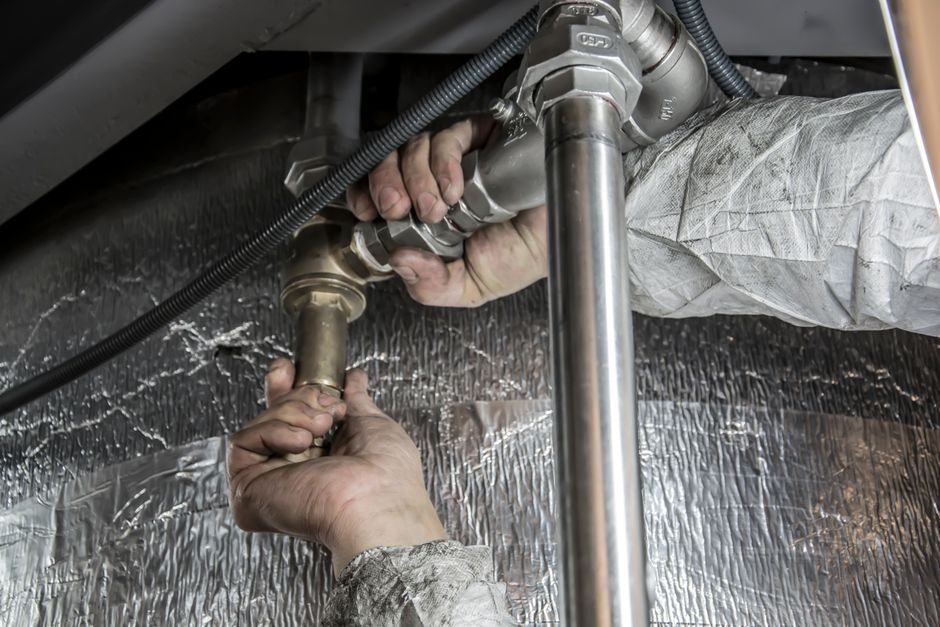
Not every pump problem ends in replacement, but when a pump's motor has genuinely failed, or a system is old enough that repair no longer makes sense, replacement is usually the more reliable path forward. Deciding between the two depends on more than age alone — what actually failed, how the pump has been performing leading up to the failure, and whether the rest of the system (the tank, the switch, the wiring) is in reasonable shape all factor in.
Saratoga Well Pump Repair connects Saratoga County homeowners with pump replacement service, starting with understanding what's actually happening with your current system before recommending a path. If your pump is failing or has already failed, see our well pump repair page for the diagnostic side of things first. Call (518) 832-5659 or request a quote to get started.
How long do well pumps typically last?
Pump lifespan varies with the type of pump, water quality, how often the pump cycles, and how the system was set up to begin with. There's no single number that applies to every well, but a pump that's approaching or past the upper end of its expected service life and starting to show symptoms — reduced output, more frequent cycling, unusual noise — is a reasonable candidate for replacement rather than repeated repair. Our life expectancy article goes through the factors that shorten or extend a pump's working life in more detail.
How do I know it's time to replace instead of repair?
A few signals tend to point toward replacement rather than repair: a motor that's failed outright rather than a peripheral part like a switch or wire, a pump old enough that a repair would just delay the same failure, or a pattern of repeated problems rather than a single isolated issue. A pump that's still relatively young and has a clearly isolated failure — a bad switch, a wiring fault — is usually a better repair candidate. See well pump repair for what an isolated failure typically looks like versus a pump that's genuinely at the end of its life.
Submersible vs. jet pump — does replacement differ?
Yes. A submersible pump sits down inside the well casing and needs to be pulled up on its drop pipe for replacement, while a jet pump is mounted above ground and is more straightforward to access. The process, equipment, and what's involved in each differ enough that it's worth knowing which type your system has before assuming what replacement will look like. See our submersible and jet pump page for how to tell which one you have.
Does replacing a pump mean pulling the whole well casing?
Not the casing itself — the casing is the permanent pipe lining the well and generally stays in place. What gets pulled, for a submersible system, is the pump itself along with the drop pipe and wiring it's attached to, which is drawn back up out of the casing. How straightforward that is depends on well depth and how the original system was set up.
What size or horsepower pump does my house need?
Pump sizing depends on well depth, how far water needs to travel to reach the house, how many fixtures and appliances draw on the system at once, and the yield of the well itself. A pump that's undersized for the property can struggle to keep up with demand, while an oversized pump can cycle inefficiently. Getting this right during replacement is one of the reasons a proper look at the whole system matters more than just swapping in a similar-looking part.
Will a new pump fix low pressure everywhere in the house?
Sometimes, but not always. If the pump itself is the bottleneck — undersized, worn, or failing — replacing it can resolve house-wide low pressure. But if the real cause is a waterlogged pressure tank, a failing switch, or a restriction somewhere in the plumbing, a new pump won't fix a problem that was never about the pump to begin with. See pressure tanks and no-water and low-pressure troubleshooting for the other components worth ruling out first.
What drives the cost of a pump replacement
There's no flat number that applies across the board, because what a replacement involves varies property to property. Well depth matters most — a deeper well means more drop pipe and wire to pull and reset, and more labor overall. Whether the rest of the system needs work at the same time (an aging pressure tank, worn wiring, a switch nearing the end of its life) also factors in, since it often makes sense to address those together rather than revisit the well twice. Access to the wellhead, and whether the replacement is a straightforward swap versus a jet-to-submersible conversion, both affect the scope as well. The only reliable way to know what a given property's replacement involves is an actual look at the system rather than an estimate based on a symptom alone.
What happens when you request replacement service
Call or send a quote request describing your pump's symptoms, roughly how old the system is if you know it, and your town. That gets used to route your request appropriately. From there, service gets scheduled to confirm whether replacement is actually the right call — sometimes what looks like a dying pump turns out to be a fixable tank or switch problem instead — and, if replacement is the right path, to size and install a pump suited to the well and the house's demand. As with any well pump work in New York, it's worth confirming DEC registration for anyone you hire; see our well pump repair page for what that requirement involves.
Related reading
Think it's time to replace your pump? Call (518) 832-5659 or get a quote.