Well Pump Repair in Halfmoon, NY
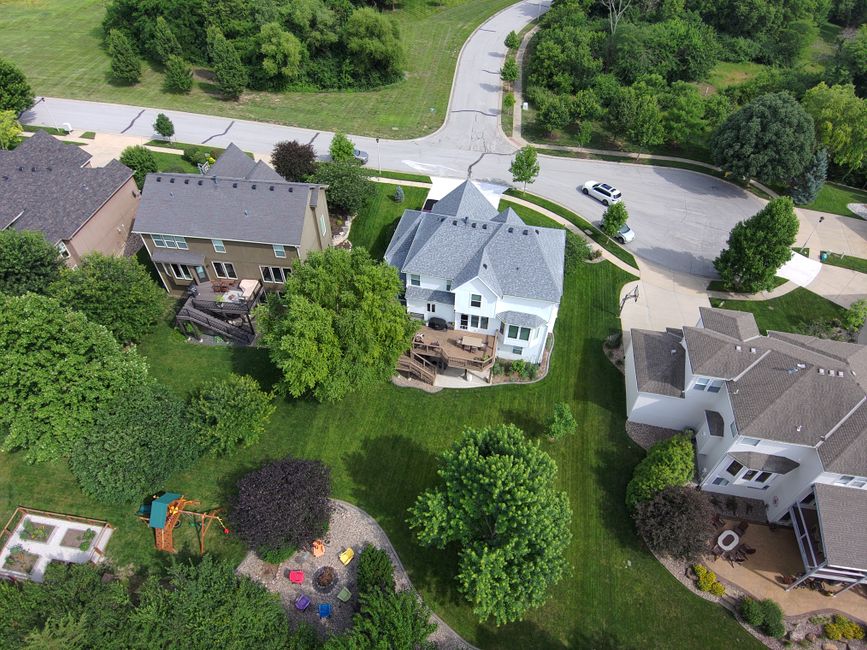
Halfmoon sits in the southeastern corner of Saratoga County, wedged into the low-lying land between the Hudson and Mohawk rivers just north of Albany. The town's name comes from the shape of that land at the rivers' junction — some local histories also tie it to the Halve Maen, Henry Hudson's ship. It's one of the oldest settled parts of the county, with Dutch land purchases from the Mohican in the 1660s predating Saratoga County itself by well over a century, and it grew steadily as a mill town after the Erie Canal opened in 1825. Today Halfmoon is one of the county's larger and faster-growing towns, with a mix of newer subdivisions, older river-corridor neighborhoods, and pockets that are still genuinely rural, especially away from the main commercial corridors.
That growth hasn't erased the town's private-well population. Plenty of Halfmoon homes, particularly outside the newer developments with municipal hookups, still rely on a well, pressure tank, and switch for their entire water supply — and for those households, the pump doing its job quietly in the background is something that only gets attention when it stops.
Sandy soil and what it means for a pump
Halfmoon's location in the river corridor between the Hudson and Mohawk puts a lot of the town on sandier, more permeable soil than the clay-heavy or till-based ground found elsewhere in the county. Sandy, well-draining soil isn't inherently a problem for a well system, but it does change a few things worth knowing: it drains faster after heavy rain, which affects how quickly groundwater levels respond to wet or dry stretches, and looser sandy ground around a wellhead or buried line can shift more than denser soil, particularly with seasonal freeze-thaw cycles. Homeowners on this kind of ground sometimes see pump wear patterns tied to fluctuating water tables that behave differently than a well set into more stable bedrock. Our submersible and jet pump guide covers how these two pump types handle that kind of variability differently, which is worth understanding if your system has shown any inconsistency in output.
Winter freeze-ups in a river-corridor town
Sandy soil also drains and refreezes differently than clay or till, which is a factor worth knowing when winter freeze-ups come up. A buried line set at a shallow or inconsistent depth in looser ground can be more exposed to a hard freeze than the same line in denser soil, especially in an open stretch without much insulating cover. If your property has had a line freeze before, or you're not sure how deep your line runs, that's worth flagging when you request service.
Older vs. newer construction in Halfmoon
Because Halfmoon has grown so much over the past several decades, well systems here range widely in age — from systems on older river-corridor properties that predate modern components, to wells drilled for subdivisions built in just the last couple of decades. A newer well doesn't guarantee a trouble-free pump, but it generally means different-generation equipment than what you'd find on an older rural lot, which matters for diagnosing symptoms accurately.
Requesting service in Halfmoon
Because Halfmoon covers so much ground and so many different kinds of properties — river-corridor lots, newer subdivisions, older rural parcels — the most useful thing you can do when requesting service is describe both the symptom and roughly where your property sits in town. A pump that's cycling rapidly, a system that's lost pressure gradually, or a line that won't deliver water at all each point toward different parts of the system, and that description gets used to route your request appropriately. New York also requires businesses performing well pump work to register annually with the DEC — worth checking through the DEC's Water Well Contractor Search Tool before hiring anyone.
Frequently asked questions
Is my part of Halfmoon on a well or municipal water? It varies block by block in a town this size. Newer developments are more likely to be tied into municipal water, while older and more rural pockets, especially away from the main corridors, are more likely to be on private wells. Your water bill — or the lack of one — is the quickest way to confirm which applies to your property.
Does sandy soil mean my well needs different maintenance? Not necessarily different maintenance, but it can mean a system that responds a bit differently to seasonal water table changes than a well set into bedrock or dense till. If you've noticed inconsistent pressure that seems to track with wet or dry stretches, that's worth mentioning when you request service.
What's the difference between a submersible and a jet pump, and does it matter here? Most newer wells in Halfmoon use submersible pumps set down inside the well casing, while some older systems use above-ground jet pumps. The two fail differently and get diagnosed differently — see our submersible and jet pump guide for how to tell which type your system has.
For more on how the county's geology varies by area, see our well depth and geology guide. Halfmoon borders Clifton Park and Stillwater, both covered separately.
Dealing with a well pump problem in Halfmoon? Call (518) 832-5659 or get a quote.