Well Pressure Switch Service in Saratoga County, NY
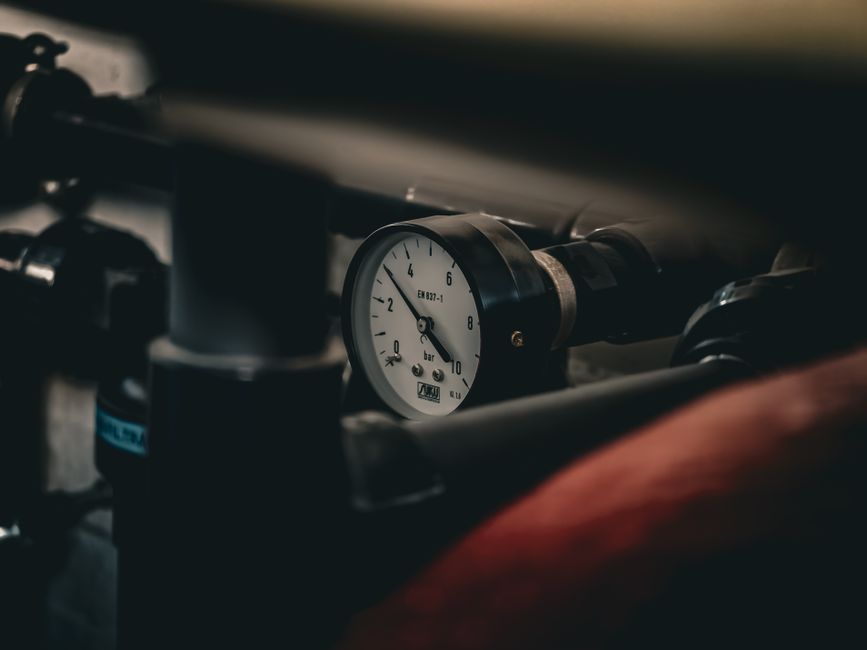
The pressure switch is a small component with an outsized job: it's the part that actually decides when your well pump turns on and off. A switch that's failing, misadjusted, or simply worn out can cause a pump to run when it shouldn't, refuse to shut off, or start behaving erratically in ways that look — and feel — like a much bigger problem than they usually are. This page covers what the switch does, why a pump might run constantly, what a normal cut-in/cut-out setting means, and what's safe for a homeowner to check versus what isn't. Adjusting or wiring a pressure switch involves working inside an electrical enclosure connected directly to the pump circuit, and that's not something to take on yourself — reading the gauge is a different matter, and this page is clear about where that line is. Call (518) 832-5659 or request a quote if your system needs a closer look.
What a Pressure Switch Is and How It Controls the Pump
The pressure switch sits on the plumbing near the pressure tank, usually a small metal box with a gauge attached, wired directly into the pump's electrical circuit. Inside, it monitors water pressure in the system and uses two set points to control the pump: a cut-in pressure (the point where the switch turns the pump on) and a cut-out pressure (the point where it turns the pump back off). As the tank empties and pressure drops to the cut-in point, the switch closes the circuit and starts the pump. Once the tank refills and pressure climbs to the cut-out point, the switch opens the circuit and stops it. That's the entire mechanism behind every pump cycle in the house — the switch is the decision-maker, and the pressure tank is what gives it something to decide about.
Why a Pump Might Run Constantly
A pump that won't shut off, or that seems to run almost continuously, usually traces back to one of a few causes, and the switch is a common one:
- A worn or failing switch that isn't sensing pressure correctly, so it never registers that cut-out has been reached
- Contacts inside the switch that have degraded from years of electrical arcing, preventing a clean, reliable open/close
- A waterlogged pressure tank that can't hold pressure long enough for the switch to ever see a normal cycle — see our pressure tank page for how that shows up
- A leak somewhere in the system (plumbing, a fixture left running, or a leak in the well piping itself) that keeps pressure low enough that the switch keeps calling for the pump
A pump running constantly is not a situation to leave alone — it's hard on the motor regardless of which of these is the actual cause, and it's usually a sign that something upstream (the switch, the tank, or the plumbing) needs attention. See our well pump repair page for what prolonged running can do to the pump itself.
What a Normal Cut-In/Cut-Out Setting Means
Most residential well systems run on a cut-in/cut-out pair like 20/40, 30/50, or 40/60 psi — the two numbers most commonly discussed being the 30/50 setting, where the pump turns on at 30 psi and off at 50 psi. The right setting for a given house depends on the plumbing, the tank size, and sometimes the elevation of fixtures relative to the pressure tank, so "normal" varies somewhat by system rather than being one universal number. What matters more than the exact numbers is that the gap between cut-in and cut-out stays consistent over time and that the pump reaches cut-out and actually shuts off. For a full explanation of how the two numbers relate to each other and to tank pressure, see Understanding Your Pressure Tank and Switch: The 30/50 Rule Explained.
Can I Check My Switch Setting Myself?
This is where it's worth being precise about what's homeowner-safe and what isn't.
Safe to do: Look at the pressure gauge near the switch or tank and read the number, especially before and after a fixture runs. Watching where the needle sits when the pump kicks on and where it sits when the pump shuts off tells you your system's actual cut-in and cut-out points, in plain sight, without touching anything. If those numbers seem unusually low, unusually high, or the gap between them has changed from what you're used to, that's useful information to have ready when you request service.
Not something to take on yourself: Adjusting the switch's setting, opening its cover, or doing anything involving its wiring. The switch is a live electrical component wired directly into the pump circuit, and adjusting it incorrectly can leave the pump running when it shouldn't, cause it to never start at all, or create an electrical hazard. This isn't a judgment call to make on the spot — if the gauge reading suggests the setting is off, or the pump isn't cycling the way it should, the right next step is requesting service rather than opening the switch cover.
If you've read the gauge and something looks off, that reading is exactly the kind of detail worth having ready when you request a quote — it helps route your request to the right kind of service faster than "the pump seems weird" on its own.
Related Reading
Pump running longer than it should, or a gauge reading that doesn't look right? Call (518) 832-5659 or request a quote.