Real Estate Well & Pump Inspections — Saratoga County, NY
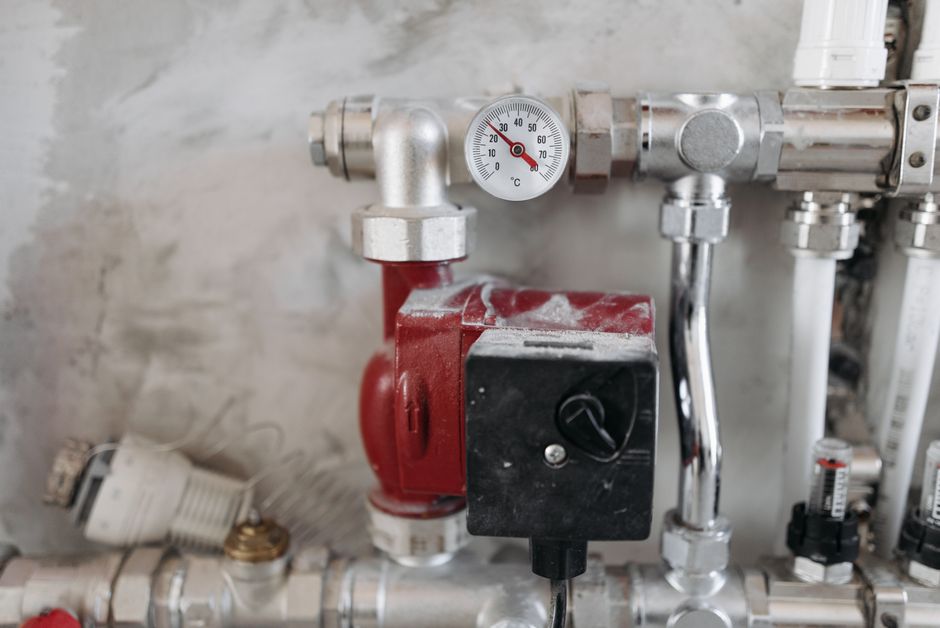
Buying or selling a home on a private well in Saratoga County adds a system to the transaction that a municipal-water sale doesn't involve, and a well and pump inspection is the standard way both sides get a clear picture of it before closing. Unlike some states, New York doesn't require well testing or inspection as a condition of sale — there's no state law mandating it here, unlike, for example, New Jersey's private well testing requirements at the point of sale. In New York, it's a voluntary step, but a widely recommended one, since a well and pump system that's never been evaluated is one more unknown in a transaction that already has plenty of them. Saratoga Well Pump Repair connects buyers and sellers with inspection service — see our buyer's guide to purchasing a home on a private well for the fuller picture.
Who typically orders one, and when
Either side of a transaction can request an inspection, and the reasoning differs slightly:
- Buyers most often order an inspection during the contract/due-diligence period, the same window when a general home inspection typically happens, so any issues can factor into negotiation before the deal closes.
- Sellers sometimes order one proactively, before listing, to identify and address issues ahead of time rather than have them surface (and potentially complicate negotiations) during a buyer's inspection period.
- Either way, timing matters — an inspection late in the process, close to closing, leaves less room to negotiate or address anything found, compared to one done early.
What's typically checked
A real estate well and pump inspection generally covers the mechanical side of the system — how it's functioning, not a water quality lab analysis (that's a separate step, usually a water test done alongside the inspection but not part of it). What's typically evaluated includes:
- Pump function — whether the pump is running properly, delivering water consistently, and not showing signs of the problems covered on our well pump repair page — short cycling, unusual noise, or inconsistent delivery.
- Pressure — checking that the system is holding and cycling pressure within a normal range, using a gauge at an outdoor spigot or similar access point.
- Pressure tank condition — general condition and apparent age of the tank, and whether it shows signs of waterlogging or other issues covered on our pressure tank page.
- Visible wellhead condition — the condition of the well cap, casing where visible above grade, and the immediate area around the wellhead (proper grading away from the well, no obvious signs of surface water pooling near it).
- General system age and apparent condition — while an inspector can't tell you exactly how many years a system has left, visible wear, outdated components, or signs of prior makeshift repairs are worth noting for a buyer or seller.
What it doesn't replace
A well and pump inspection is about the mechanical system, not water quality — it doesn't replace a water test for bacteria, nitrates, or other contaminants, which is a separate step (usually handled through a lab, not part of what a pump-focused inspection covers). For a full picture of a property's private well before a purchase, most buyers want both: a mechanical inspection of the pump and tank system, and a water quality test. Our buyer's guide covers how those two pieces typically fit together in a Saratoga County transaction.
Why it's worth doing even though it isn't required
Because New York doesn't mandate it, it's easy to skip — but a well and pump system that fails shortly after closing is a cost that lands on whoever just bought (or just sold, if there's a post-closing dispute) the property. An inspection during the transaction, while there's still room to negotiate a repair, a credit, or a price adjustment, is generally the better time to find out about a problem than after the deal is done.
How findings typically factor into a transaction
What happens after an inspection finds something depends on what it is and how the contract is structured. A minor issue — an aging pressure tank, a wellhead that needs better grading around it — often gets handled as a credit or a seller-completed repair before closing. A more significant finding, like a pump clearly nearing the end of its function or a system that can't keep up with the house's demand, tends to prompt a bigger conversation: a larger credit, a price adjustment, or in some cases the buyer deciding the repair cost changes the deal. None of this is legal advice, and how it plays out in any specific transaction is between the parties and their agents or attorneys — but knowing what the inspection actually found, in plain terms, is what makes that conversation possible in the first place.
Timing relative to a general home inspection
Well and pump inspections are usually arranged separately from a general home inspection, sometimes by a different inspector entirely, but the two are typically scheduled close together during the same contract period so both sets of findings are available before any negotiation deadline. If your contract has a set inspection contingency window, it's worth confirming the well inspection is scheduled with enough lead time to get results back — and, if something needs a closer look, enough time to follow up — before that window closes.
Buying or selling a home on a private well and need an inspection arranged? Call (518) 832-5659 or request service.