Well Drilling — Saratoga County, NY
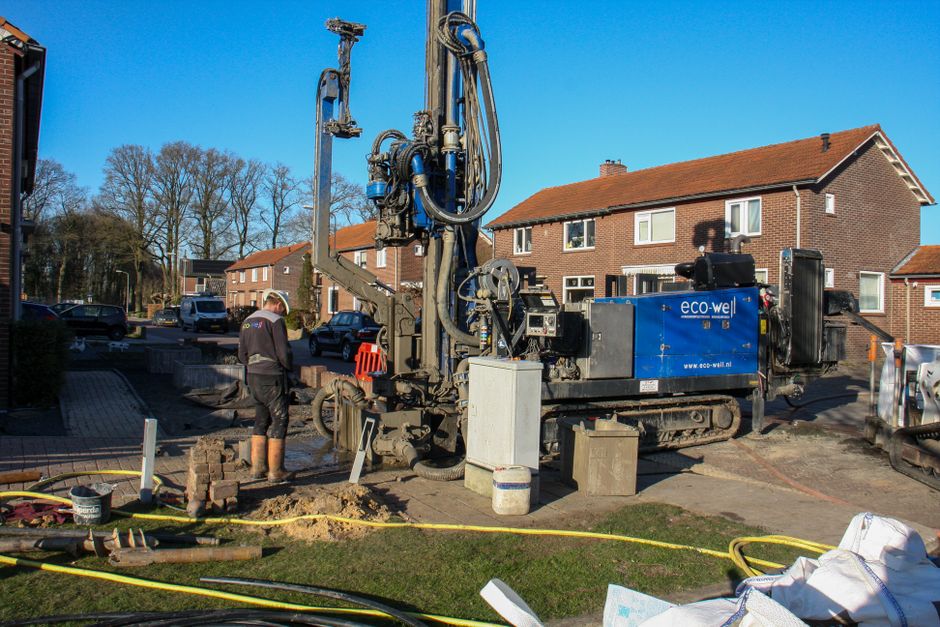
Most of Saratoga County outside its village and city centers depends on a private well for water, which means a new well — for new construction, a failed existing well, or a property that's never had one — is a project most homeowners only go through once. It involves more than picking a spot and drilling down: siting, casing, depth, and a state registration requirement all factor in before water ever reaches a tap. Saratoga Well Pump Repair connects homeowners looking into a new well with service, and helps you understand what the process generally involves so you know what questions to ask. We don't drill wells ourselves — we take your request and route it to appropriate service, the same way we do for pump repair and every other request that comes through this site.
What goes into siting a new well
Where a well goes on a property isn't arbitrary. A driller typically needs to work around a few things at once:
- Distance from contamination sources — septic system components, fuel storage, livestock areas, and similar sources of potential groundwater contamination all factor into where a well can reasonably go. Keeping a new well well clear of these is standard practice, not optional.
- Site access — drilling equipment is large, and a spot that's easy to reach with a rig (versus buried in dense woods or on a steep grade) affects both feasibility and how the job goes.
- Property layout — septic field location, driveway and structure placement, and any local setback expectations all narrow down where a well can actually be sited on a given lot.
- What's known about the area's groundwater — a driller familiar with Saratoga County generally has a sense of how nearby wells have performed, which can inform where on a property to start.
None of this is something a homeowner needs to work out alone — it's part of what a qualified well contractor evaluates before drilling starts.
Permitting and registration
Well drilling in New York isn't a free-for-all: a contractor doing the work has obligations to the state before and after the job. New York requires businesses performing well work to register annually with the DEC, and separately, well contractors are expected to notify DEC before drilling begins and file a completion report once the well is finished. Depending on your town, there may also be local building or zoning steps to coordinate — that varies by municipality, so it's worth asking your contractor directly what applies to your specific address rather than assuming.
Before hiring anyone for well drilling work, you can use the DEC's Water Well Contractor Search Tool to confirm a contractor's registration is current. That's a step worth taking regardless of who you're considering — registration status isn't something you can verify by asking, since it's a matter of public record, not self-reporting.
Casing and construction basics
A drilled well isn't just an open hole — it's lined with casing (typically steel or PVC pipe) that seals the borehole from surface water and shallow groundwater as it passes down through the upper soil layers. The casing extends above ground level at the wellhead and is capped to keep out debris, insects, and surface runoff. Getting this seal right matters for water quality over the life of the well, not just at the moment of installation — a poorly sealed casing can let surface contamination reach the water table years later.
Depth considerations across Saratoga County
How deep a well needs to go isn't consistent across the county — it depends heavily on the underlying geology, and Saratoga County has real variation in that regard. The glacial till and sand plains that cover much of the eastern and central county (areas like Malta, Wilton, and Clifton Park) tend to support wells at more moderate depths. Toward the county's western and northern towns — Day, Edinburg, Hadley, and similar Adirondack-foothill areas — exposed bedrock is more common, and wells in those areas often need to go considerably deeper to reach a reliable water-bearing zone. A contractor evaluating your property will typically have a sense of what's typical nearby, but actual depth isn't something that can be predicted precisely before drilling starts — it's confirmed once the well is in.
Why this matters even if you're not drilling today
Understanding what went into your existing well — depth, casing condition, general age — is useful context even for a property with a well already in place, since it affects everything from pump sizing to how a system responds to drought conditions. If you're evaluating a property with an unfamiliar well, or trying to understand why your current well behaves the way it does, that context is worth having before you're troubleshooting a problem, not after.
Looking into a new well, or want help understanding an existing one? Call (518) 832-5659 or request a quote.