Sump Pump Service — Saratoga County, NY
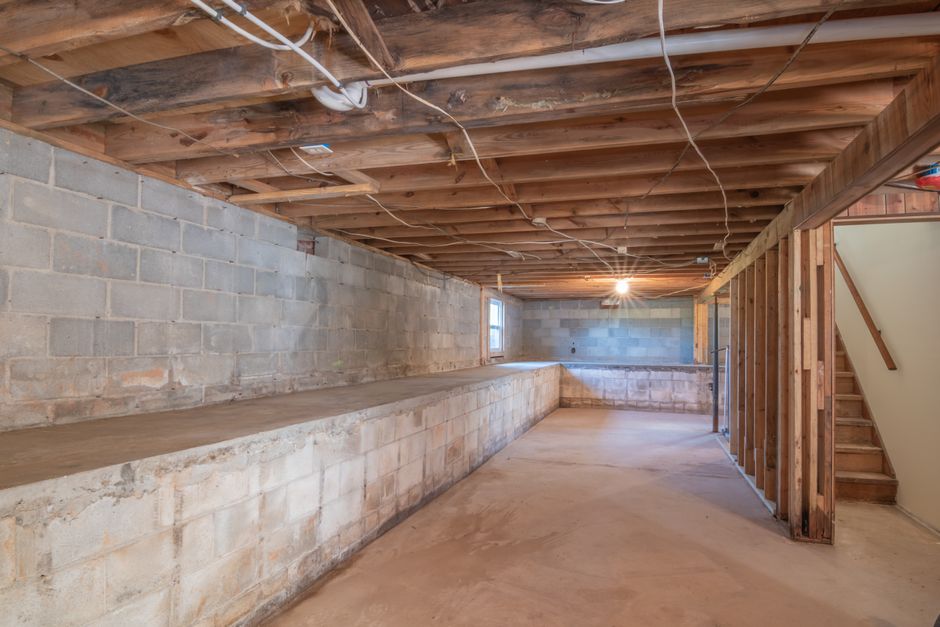
Well pump and sump pump are two different systems doing two different jobs, and it's a common enough mix-up that it's worth spelling out plainly. If water is showing up in your basement or crawlspace, that's a sump pump question, not a well pump question — even though both involve a pump and both matter to how your house handles water. Saratoga Well Pump Repair connects homeowners with service for both, but we don't want you requesting the wrong one. Below is what each system actually does, and see our full breakdown of the differences if you're still not sure which one you're dealing with.
What a well pump does
A well pump's job is pulling water up out of the ground and delivering it into your home's plumbing — it's how a private well becomes running water at your tap, shower, and every fixture in the house. It's part of your potable water supply, working continuously (or cycling on and off as demand requires) any time water is drawn anywhere in the house. If a well pump fails, you lose water entirely, or pressure drops across the whole system. See our well pump repair page for how that troubleshooting works.
What a sump pump does
A sump pump sits in a basin (the "sump pit") typically installed in a basement or crawlspace floor, at the lowest point in the space. Its job is managing groundwater and drainage water that collects around a foundation — it activates when water rises in the pit past a certain level, pumping it out and away from the house before it can flood the basement. It has nothing to do with your household water supply; a sump pump moves water out of your house, not into your plumbing. If a sump pump fails, the risk is basement or crawlspace flooding during heavy rain or snowmelt, not a loss of water at the tap.
Why the distinction matters
Beyond just terminology, the two systems fail differently and get diagnosed differently:
- A well pump failure shows up as no water, low pressure, or water that cuts out — a problem with what comes out of your fixtures.
- A sump pump failure shows up as water where it shouldn't be — a wet basement floor, a musty smell, or standing water in the sump pit itself, especially noticeable after rain or during spring snowmelt.
- They're serviced separately. A well pump problem calls for the troubleshooting on our pump repair and no-water/low-pressure pages. A sump pump problem is about drainage and basement water management, a different specialty even though both are technically "a pump."
When a sump pump issue is worth addressing
A sump pump that's silent because it's never needed to run isn't necessarily a problem — plenty of properties in Saratoga County, particularly on higher or well-drained ground, rarely see groundwater intrusion. But a few signs are worth paying attention to:
- The pump runs constantly, even without recent rain — can point to a high water table, a drainage issue, or a pump that's cycling when it shouldn't.
- The pump doesn't run at all during heavy rain or snowmelt, when you'd expect it to — worth checking before the next storm, not after water's already in the basement.
- Water shows up in the basement despite a pump being installed — points to either a failed pump, a clogged discharge line, or a system that's undersized for what the property actually needs.
- An older home without a sump system at all, in an area prone to wet basements — worth evaluating whether one should be added, separate from any well pump question.
Do you need both?
Plenty of Saratoga County homes on private wells have both systems and never confuse the two once they understand what each one's for. Having a well doesn't mean you need a sump pump, and having a sump pump has nothing to do with your water supply — they're evaluated and serviced independently based on what your specific property needs.
Seasonal patterns worth knowing locally
Sump pump demand isn't constant through the year — it tracks water, not season directly, but water in this county has a predictable rhythm. Spring snowmelt is the period sump pumps see the heaviest use, as frozen ground and rapid melt send more water toward foundations than a pump might handle the rest of the year. Heavy summer or fall rain events do the same on a smaller scale. Properties on sandy, well-drained soil — much of the river corridor around Halfmoon, for instance — tend to see less sump pump demand than properties on denser, less-draining soil elsewhere in the county, though local grading and foundation drainage design matter as much as soil type. None of this is a substitute for checking your own system before the season that's likely to stress it, particularly if you've never seen it run and don't actually know whether it works.
A basement flooding call isn't a well pump call
If you've had water in a basement or crawlspace and you're reaching out for "pump" service, it helps to be specific about which pump you mean when you request service — it changes what we're routing you toward. A call about no water at a faucet and a call about water on a basement floor sound similar but point to entirely different systems, and getting routed to the right one the first time saves a step.
Not sure which pump issue you're dealing with — well or sump? Call (518) 832-5659 or describe what's going on and we'll route you to the right service.